



The two developments represent significant milestones in Africa's ambition to become a major destination for global sporting competitions. From Olympic infrastructure and international tourism to motorsport investment and economic development, the continent is increasingly looking beyond traditional sporting boundaries.
With Durban targeting the 2036 or 2040 Olympic Games and Rwanda securing a long-term agreement with Formula 1, Africa could be preparing for one of the most exciting periods in its sporting history.
Durban Emerges as South Africa's Preferred Olympic Candidate
South Africa has taken an important step towards potentially bringing the Olympic and Paralympic Games to Africa for the first time.
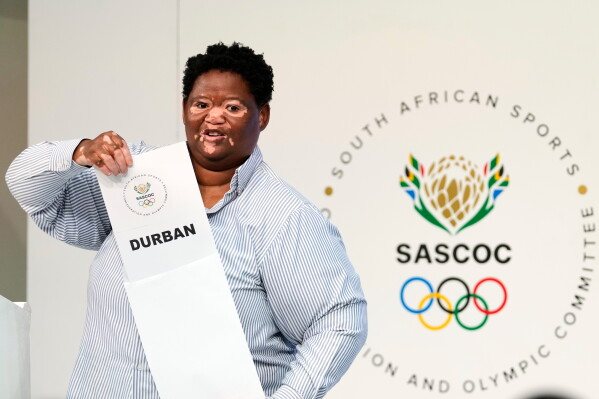
The South African Sports Confederation and Olympic Committee (SASCOC) has selected Durban as the country's preferred candidate city for a potential bid to host either the 2036 or 2040 Games.
The announcement, made on 29 October 2026, places the coastal city at the centre of South Africa's Olympic ambitions.
Durban was selected following an evaluation process that also considered other major South African cities, including Johannesburg and Cape Town.
The proposed hosting strategy is expected to follow a multi-city approach, allowing South Africa to utilise existing sporting facilities and infrastructure across different locations rather than concentrating every event in one city.
Durban would serve as the main host city, with other cities potentially supporting selected sporting events.
The proposal is an important step towards South Africa's ambition of making history as the first African country to host the Olympic Games.
However, the selection of Durban does not mean the country has secured hosting rights. The proposal must still progress through the International Olympic Committee's evaluation and selection process.
Why Durban Could Be a Strong Olympic Host City
Durban's selection reflects its potential to accommodate a major international sporting event.
The city offers a combination of coastal attractions, hospitality facilities, transport connections and existing sporting infrastructure.
One of its most recognisable sporting landmarks is the Moses Mabhida Stadium, which hosted matches during the 2010 FIFA World Cup.
The city also benefits from its tourism appeal, with beaches, hotels, entertainment facilities and established visitor attractions.
Hosting the Olympic Games could encourage further investment in:
- Modern sporting facilities and competition venues.
- Public transportation and road infrastructure.
- Athlete accommodation and Olympic Village facilities.
- Airport capacity and international connectivity.
- Digital technology and telecommunications.
- Tourism, hospitality and entertainment infrastructure.
A successful bid could also create employment opportunities, attract international investment and strengthen Durban's position as a global destination.
Nevertheless, South Africa will need to demonstrate that its proposed infrastructure investments are financially sustainable and capable of delivering long-term benefits.
Rwanda Secures Major Formula 1 Agreement
While South Africa is pursuing its Olympic ambitions, Rwanda has achieved a major breakthrough in international motorsport.
On 13 October 2026, Formula 1 and the Fédération Internationale de l'Automobile (FIA) announced a landmark 10-year agreement to bring the Formula 1 African Grand Prix to Rwanda in the early 2030s.
The agreement represents a historic development for African motorsport, with Formula 1 preparing to return to the continent for the first time since the 1993 South African Grand Prix.
The planned race will take place at a new purpose-built circuit in Bugesera, approximately 40 kilometres south of Kigali, Rwanda's capital.
The proposed circuit is expected to meet FIA Grade 1 standards, the certification required for hosting Formula 1 Grand Prix events.
The project will form part of a wider development strategy connecting sports, tourism, infrastructure and commercial investment.
Although the agreement has been secured, the inaugural race date and further construction milestones are still to be announced.
Bugesera Circuit: Rwanda's Motorsport Ambition
The proposed Bugesera circuit is expected to become one of the most significant motorsport infrastructure projects in Africa.
Its location near the new Kigali International Airport is intended to support international travel and make the venue accessible to teams, officials, sponsors and spectators.
Beyond hosting Formula 1 races, the circuit is envisioned as a year-round sporting and entertainment destination.
It could accommodate other international motorsport competitions, business conferences and major entertainment events.
The project also reflects Rwanda's broader ambition to establish itself as a leading destination for international sporting competitions.
In recent years, the country has invested in attracting major sporting events, including the UCI Road World Championships and international basketball competitions.
The Formula 1 agreement represents another major step in that strategy.
The Economic Impact of Hosting Global Sporting Events
The Olympic Games and Formula 1 are among the most commercially influential sporting properties in the world.
Securing either event can generate significant international attention, tourism opportunities and investment interest.
For South Africa, a successful Olympic bid could create opportunities across construction, transportation, hospitality, retail and technology.
Durban could experience increased international visitor numbers, while businesses across the country could benefit from the demand for accommodation, logistics and event-related services.
Rwanda could experience similar opportunities through its Formula 1 agreement.
A Grand Prix attracts international teams, media organisations, corporate sponsors, hospitality operators and thousands of spectators.
The event could also increase Rwanda's global visibility, helping promote its tourism industry and attract additional foreign investment.
However, the economic benefits will depend on effective financial planning, infrastructure delivery and the ability to maintain facilities beyond the actual competitions.
Infrastructure Development: The Biggest Challenge
Despite the excitement surrounding these developments, hosting major international sporting events comes with significant responsibilities.
South Africa and Rwanda will both need to demonstrate that their infrastructure plans are realistic, financially responsible and capable of meeting international standards.
For Durban, the Olympic ambition will require careful planning around transportation, accommodation, sporting venues, security, accessibility and public services.
South Africa must also address the financial demands associated with hosting an event as large as the Olympic Games.
Rwanda faces its own challenges, particularly the construction of a Formula 1-standard circuit and the supporting infrastructure required to deliver a successful Grand Prix.
Formula 1 facilities require substantial investment, technical expertise and ongoing maintenance.
The challenge will be ensuring that these developments create benefits that extend beyond the international sporting calendar.
Both projects will need strong cooperation between government institutions, sporting organisations, private investors and international partners.
What These Developments Mean for African Sports
The Olympic ambition in South Africa and Rwanda's Formula 1 agreement represent more than individual national achievements.
Together, they highlight Africa's growing determination to participate more actively in the global sports economy.
For decades, the continent has produced exceptional athletes, footballers, runners and sporting personalities who have achieved success internationally.
However, opportunities to host some of the world's biggest sporting competitions have remained relatively limited.
These latest developments could help change that perception.
They could encourage more international sporting organisations to consider African countries when selecting future competition venues.
They could also stimulate investment in sports academies, coaching programmes, event management, sports technology and infrastructure.
Most importantly, they could inspire a new generation of African athletes, engineers, entrepreneurs and sports administrators.
Could Africa Become a Major Destination for Global Sporting Events?
The growing interest in Africa as a host destination reflects the continent's expanding sporting audience, tourism potential and commercial opportunities.
Rwanda's Formula 1 agreement demonstrates that African countries can attract major international sporting partnerships through long-term planning and investment.
Meanwhile, South Africa's Olympic ambitions highlight the potential for a multi-city approach to hosting large-scale international competitions.
Other African countries could also draw inspiration from these developments and explore opportunities in athletics, motorsport, football, basketball, rugby and other international sporting events.
However, competition for hosting rights will remain intense, and successful bids will depend on infrastructure readiness, financial credibility, security and organisational capacity.
Conclusion: A New Era of Sporting Ambition for Africa
South Africa's selection of Durban as its preferred Olympic candidate city and Rwanda's historic Formula 1 agreement represent important developments in Africa's sporting ambitions.
While Durban works towards a potential bid for the 2036 or 2040 Olympic Games, Rwanda is preparing for the return of Formula 1 to Africa through its planned Bugesera circuit.
Both projects offer opportunities to attract international investment, strengthen tourism, create employment and improve sporting infrastructure.
The road ahead will require substantial planning, financial commitment and cooperation with international sporting organisations.
Nevertheless, the message is clear: Africa wants a bigger role on the global sporting stage.
If these ambitions translate into successful delivery and sustainable infrastructure, the coming decade could mark a defining chapter in the history of African sports.




Comments (0)
No comments yet — be the first to share your thoughts.